Because alliteration is beautiful but not synonymous.

"We may be what we eat, but we are definitely what we say" - Stephen Fry in a foreword of a book titled Planet World. The book is about words and languages but words are also an inherent part of the branding process. From the brand vision to naming, words matter. Although, words are a significant but small part of the branding process.
Words also matter when you describe. When you talk about your company, do you address it as a brand or a business? Or do you use it interchangeably? What is the ideal way to label it?
Let's figure it all out together as you read on.
Business
The etymology of the word 'business' has roots in the word keeping busy. Business is just busy-ness. Maybe starting a business was a way to stay busy or just a way to say that she couldn't come because she had some business.
The etymology of the word 'business' has roots in the word keeping busy. Business is just busy-ness. Maybe starting a business was a way to stay busy or just a way to say that she couldn't come because she had some business.
When you start a business, ask yourself whether you are doing it to stay busy or to fill a gap by making a dent in the way the world functions.
"It is not enough to stay busy. So too, are the ants. The question is what you are busy about." - Henry David Thoreau
And when you answer Mr. Thoreau's question, you have your brand.
Brand
Ask three people around you about what brand means and you will get five definitions.
Some we found were:
"A brand is what people say about it when you are not in the room."
"A brand is how a customer will describe it to others" or
"Your brand is what your biggest client/customer describe you as"
To many, the brand is the symbol of business. That might be true, but only partially. A brand is way more than that.
"A brand is what people say about it when you are not in the room."
"A brand is how a customer will describe it to others" or
"Your brand is what your biggest client/customer describe you as"
To many, the brand is the symbol of business. That might be true, but only partially. A brand is way more than that.
Your signature is a part of your brand but not the only part, right?
Carriying forwards what Stephen Fry said, "a brand is what we say it is." To put 'we' into context, they are the consumers and other people who come in contact with your brand who form the brand. Because a brand does not exist in the tangible realm, (apart from the touchpoints, of course) but it exists in the minds of the consumers and every element of your brand is a push towards what you want to portray.
But, you cannot say what you don't do. You have to walk the talk. A promise is a promise whereas a brand promise is a brand. If you lie about your provisions, your brand becomes 'Liar.'
No business, human, institution or entity is devoid of branding. The image people have for you is your brand. The image people have for your company, is. your. brand.
Brands Before Branding
Branding as an Industry was inexistent before the 1950s. Companies that dealt with consumer packaged goods developed a discipline under brand management. This might be the birth of the professional branding industry.
Branding as an Industry was inexistent before the 1950s. Companies that dealt with consumer packaged goods developed a discipline under brand management. This might be the birth of the professional branding industry.
There are brands that exist since before Indian independence which include Britannia, Nestle, Godrej, Shalimar Paints, TVS, Tata, etc. who have outlasted generations. There are brands that still live on even after their business has passed. These include brands like the HM Ambassador, Campa Cola, and Kodak Film Rolls among a list of many that have become antiques with no other use than nostalgia.

The brands from this list that are still functioning would have branding departments now but when they started out, their quality and absence of any competition made them strong brands. These brands have also developed a trust for the amount of time they have been in business.
Today, since we do not have the privilege of having fresh industries and zero competition, branding becomes your savior.
The Relation
It must be quite clear that business and brand are not mutually exclusive. In fact, they can be claimed as mutually interdependent.
If the brand is what people think you are, business is being what people think you are. The brand is your business being able to say you do what you do. Take a breath and read that again.
Saturation
Today, finding a brand is as close to finding Waldo in the bird's eye view of the chaos. Why is that you ask? Because there is no industry that has remained untapped. You will be able to find many other ideas 'similar' to yours.
Today, you have to fit into the industry so that you are not a part of the residual overflow that instantly gets thrown out. The catch is that you still have to stand out after fitting in; to get a market share that helps you stay above the saturation. Branding is what will help you achieve that.
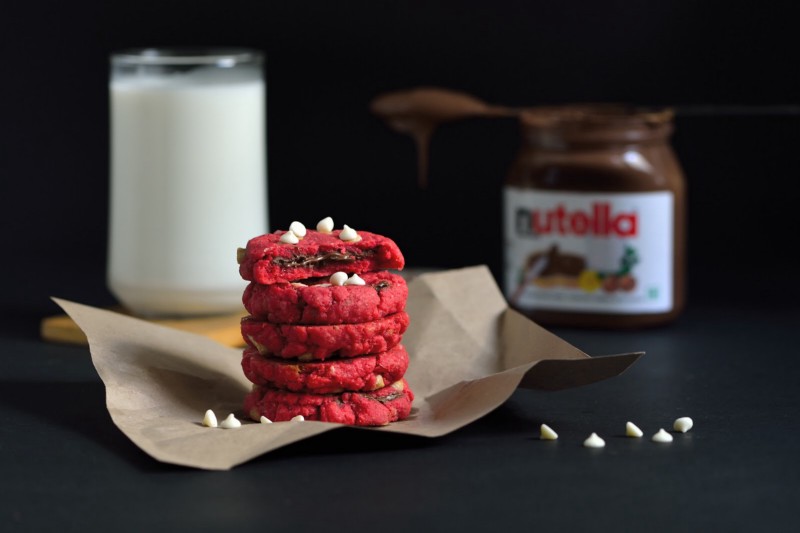
To put it into perspective, two people, Akshar and Anushri sell home-baked cookies. Their cookies are both equally tasty and equally priced. Akshar is your classmate. You will still buy from Akshar because you know him (at least more than Anushri.) Why? Because you don't just buy the product. You also buy why they sell it.
How to Measure
You have a business that you have successfully branded and it shows in your balance sheets. Is that how to measure a brand's power? Or do you wait to be a part of Interbrand's top 100 global brands that they release every year?
Ideally, the right measure is market share. If you are successful in creating a market share in a matured industry, it will become difficult for you to fade away for a very long time.
Before We Call it a Day
"Thought, not money, is the real business capital, and if you know absolutely that what you are doing is right, then you are bound to accomplish it in due season" -Henry Firestone.
Why do we quote people? Is it because they have summed up a blog into a sentence, or have they done something in life for which people listen to them? Mr. Firestone has done both. He established Firestone 119 years ago- once the world's best tire company with friends Henry Ford and Thomas Edison. Mr. Firestone is considered to be one of the three founding fathers of modern American Business. The fact that this pioneering businessman acknowledges branding proves a lot.
A brand might outlive the business itself.
When to call it a business, when to call it a brand?
hello@slangbusters.com
https://www.slangbusters.com
Comments
Post a Comment