Because research is the raw material for building a brand.

For a branding studio, research is a significant investment in building a brand. The importance of market research is that it creates a base that helps take strategic, informed and insightful decisions designed for timelessness.
What is market research?
In a market audit, the market research analyst conducts market research by gathering market data about aspects like customer choice of products, services, and brands. In an ideal methodology of conducting market research, the analyst indulges in qualitative research that explains customer perceptions, beliefs, and motives along with quantitative research that gives a statistical perspective of the market.
Remember, there is no substitute for research.

It becomes inevitable to invest a good amount of time in research before carrying out further operations of brand building. The Slangbusters branding process is designed in a way that the first phase is 100% research and insight-forming on the fly. This makes it easier to build the brand on top of a base that is strengthened with research through internal and external scenarios of your idea.
Be it innovation, creativity, development, updation, there are a lot of processes that are based on the groundwork of research. 'Looking something up' is the basic form of informal research that is carried out by the majority of us out there after the Internet became a thing.
Branding & Research
A wise man who goes by W Edwards Deming said, "without data, you're just another person with an opinion"
One of the most common requests we get is that clients want only the second and the third phase separately without the research phase and with a mildly heavy heart we turn them down. The Slangbusters philosophy is against brand building without research.
Without research, the brand won't only be devoid of a base but also hollow on the structure above it. One minor earthquake and it falls.
Before research
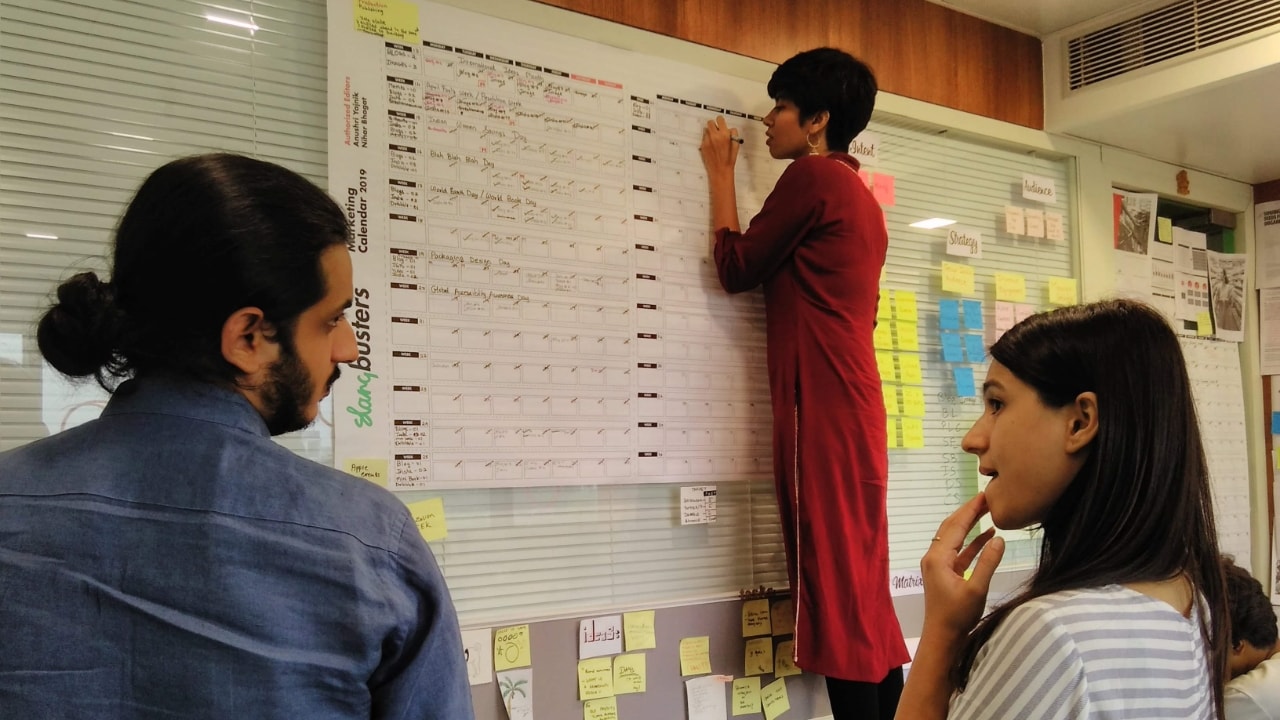
Context is everything. It is fodder for research. One must be clear of the possibilities of the outcomes that the research could bring you to. It gives you direction. The outcome could be and hopefully should aim to reduce the assumptions. Otherwise, a brand built without research is already built on assumptions.
Einstein was said to have said, "If we knew what it was we were doing, it would not be researched, would it?"
But then again, studying and research will evaluate assumptions, not eliminate them. The first answer that research leads you to is if you should even pursue the idea. Otherwise, it is just a process that solidifies your hypothesis by removing all the presumptuous weeds.
One more significant ingredient that solidifies this mix is the right questions. How you ask changes the direction of the research.
Without the right questions, there is no point in doing research. Questions give direction to research because the possibilities of research are seamless. Without knowing what you want to get from a search, you would be sitting idle in front of the search bar.
For a head start, one question you can start with that you need to ask yourself is what business challenge is it that you are trying to address. Then you could go on to selecting the most appropriate research methodology.
Market and marketing
The market is the ecosystem for your idea to existing in, and later, thrive in.
Along with the product itself, you need to see if it fits. Simon Sinek has rightly said, "People don't buy what you do, they buy why you do it." Research is all about looking for questions that either give you or validate your reason for doing your business.
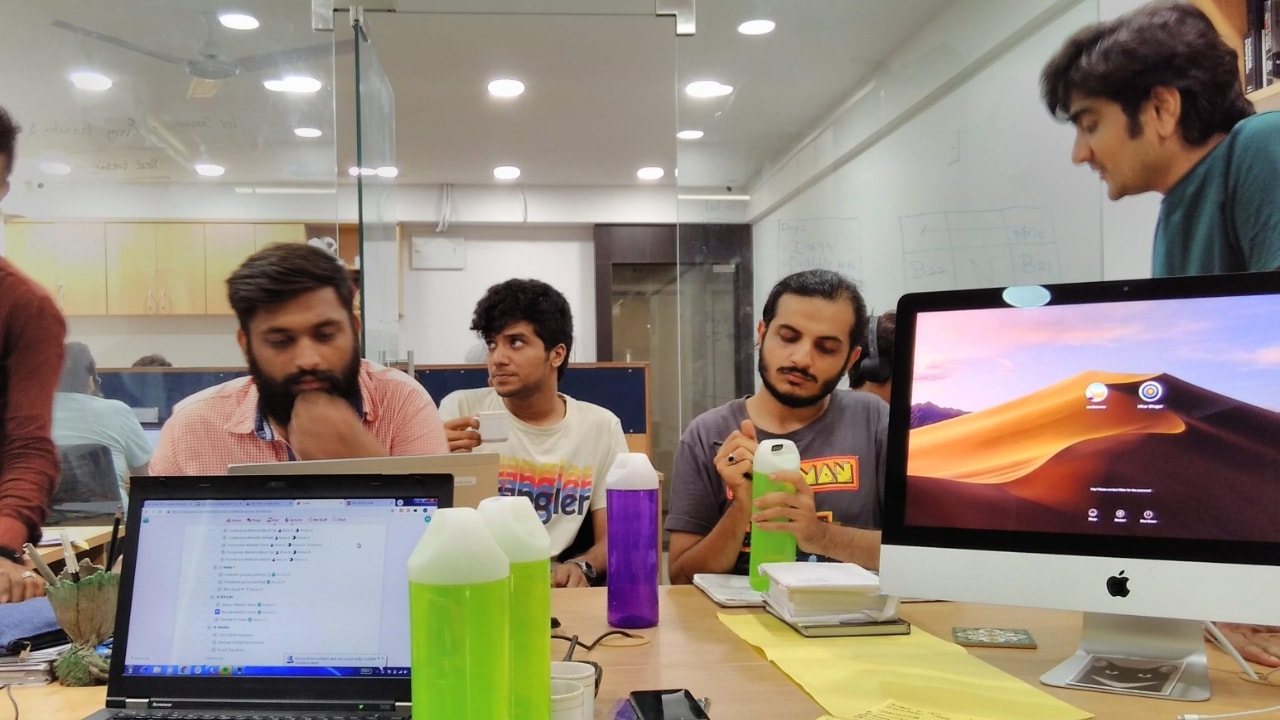
The market audit phase studies the outside market and then later measures it with what reflects on the inside.
Market research today is not what it used to be, the world wide web has opened an array of easy processes that will lead you to useful insights. Today, there is no need to conduct telephonic surveys that would require financial and laborious investment. The contemporary approach to research enables easier undertakings of tools like surveys, and access to pre-existing research that is recorded in reports and research papers. With this feature, you can constantly stay tuned to new findings with an approach of a shared knowledge-gathering ecosystem.
See-through insight
Research is medicine for the curious cat to survive. And if you keep on doing what you always did, you will get what you've always got. Research gives you insight into where you should experiment and take strategic decisions that will lead you to better outcomes. It enables you to constantly grow.
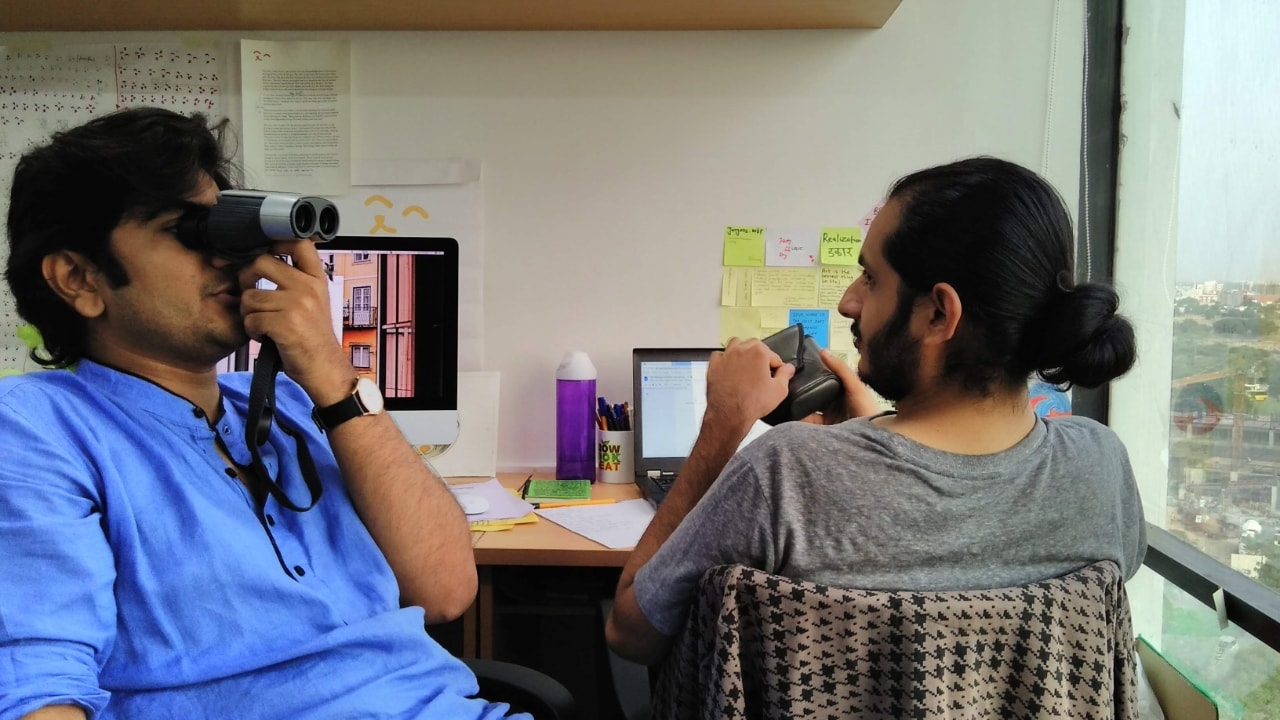
Unlike many studies and their measurements, market insight is not about data. The characteristic of such insight is that it is intangible and difficult to quantify in an objective way. Hence, it is always advisable that you let your branding studio do your market audit so that they can use the findings of the research they conducted in brand building.
The research findings will lead you to actually use data and actionable insight although that is not the only outcome of good market research.
Basic benefits
You get qualitative and quantitative research data that is presented in the audit readout stage, made specifically in context between your industry and your business. You get primary and secondary research conducted and curated for your idea. You also get an overview of market findings that throw light on your business environment and other players in your market.
The customer chapter of your research gives you insight into the customer needs, wants, demands, desires, and customer buying behavior - all of which can add depth to your provision of the gap you are trying to fill with your business. Through tools like surveys, for a pre-existing brand, you also get to know about your brand's perception in the eyes of an average customer and a potential customer.
Your audit readout report should also include competitor offerings that further helps the findings of fillable gaps that you can claim to fill. Every step in the research phase leads you to a finding that updates your idea to match the market demand.
You can also use the insight of research to fuel improved communications between the company and its target customers. This can be achieved through the processes that help you in understanding the end-user, at their level, instead of an assumptive high chair that gives a shallow view.

Some extra perks that you get from the surplus of research is a portfolio for your product/service, insight about when and how to expand, and fodder for marketing communications. You also can get the best out of various types of research that you want.
A bird's eye view of benefits (TL;DR): you realize all the possible business opportunities, are eligible to formulate informed strategies designed in a fool-proof manner along with a problem resolving feature that the research phase gives you. Conducting research at regular intervals with significant time to implement the findings can also help you in measuring the business success through analysis of researched data evaluation of the business functioning and growth.
Most business owners avoid research, given its lengthiness and the demand for time investment and a lot of patience for the intangible yet significant outcomes. Most believe a middle way is validating hypothesis through pre-existing research. This devoids them to fruit all the benefits of custom research that strengthens your brand.
Truth has many shades. It is not a matter of black and white, but gray. You would find validation for anything and everything we believe in. So in the final conclusion, the question is yours to answer. Would you rather validate your beliefs without questioning them? Or would you be open to new information that might even shake your fundamental beliefs but lead you to the heights of the contemporary?
903, Signature-1,
S.G.Highway,
Makarba,
Ahmedabad-380051,
India.
S.G.Highway,
Makarba,
Ahmedabad-380051,
India.
hello@slangbusters.com
Comments
Post a Comment